Facebook
 X
 Pinterest
 Copy Link
What Determines a Home’s Value on Isle of Palms? 9 Factors Buyers Pay More For
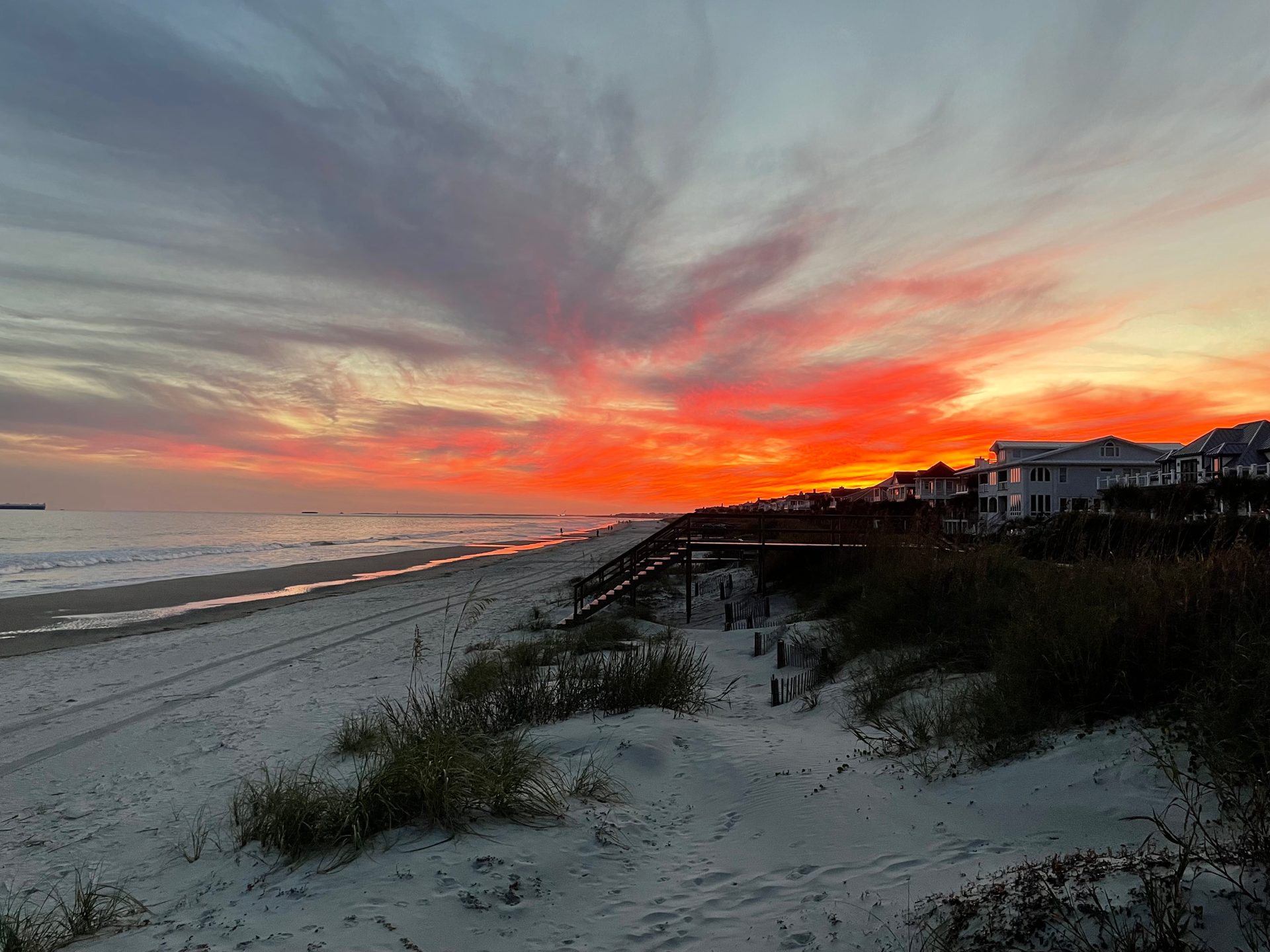
What Determines a Home’s Value on Isle of Palms? 9 Factors Buyers Pay More For
“How much is my Isle of Palms home worth?” sounds like a straightforward question. In reality, determining value on the island requires considerably more analysis than applying an average price per square foot.
Two homes with similar square footage can sell for dramatically different prices because Isle of Palms buyers are not purchasing square footage alone. They are purchasing location, beach access, views, condition, privacy, usability and a particular version of the coastal lifestyle.
Automated valuation websites rarely understand those distinctions. Even comparable sales require careful interpretation because no two Isle of Palms properties are exactly alike.
As an Isle of Palms resident and Charleston-area luxury real estate advisor, these are the nine factors I consider most important when evaluating a home’s potential market value.
1. Oceanfront, second row or interior location
A property’s relationship to the ocean is one of the most significant components of its value.
Oceanfront homes offer direct access, views and scarcity. For many buyers, that experience cannot be replicated elsewhere. However, buyers may also consider exposure to wind, salt, erosion, insurance costs and long-term maintenance.
Second-row homes can be extremely attractive when they provide easy beach access, partial views or a more protected setting without the full cost and maintenance associated with direct oceanfront ownership.
Interior-island properties can also command strong prices when they offer a compelling combination of condition, privacy, pool, outdoor living and walkability.
The correct comparison is not simply oceanfront versus non-oceanfront. The analysis should consider the complete experience each property provides.
2. The precise micro-location
On Isle of Palms, value can change within a relatively short distance.
Buyers may pay attention to:
- Distance from a beach-access path
- Traffic patterns
- Proximity to restaurants and Front Beach
- Access to the Recreation Center
- Privacy from neighboring homes
- Noise and activity during peak season
- Distance from the Isle of Palms Connector
- Proximity to the marina or Intracoastal Waterway
- Location within Wild Dunes
- Ease of entering and leaving the property
A home described as “three blocks from the beach” may offer a very different experience depending on the walking route, traffic and location of the nearest public access.
These distinctions may not be apparent on a national real estate website. They become much clearer when the property is evaluated in person and compared with truly similar locations.
3. Beach access and walkability
Buyers do not evaluate distance to the beach by measurement alone. They evaluate convenience.
A home with a direct and pleasant route to a nearby beach path may be more appealing than another property that appears equally close on a map but requires navigating heavier traffic or a less convenient access point.
For second-home and vacation-rental buyers, being able to walk easily to the beach can be particularly important. Primary residents may place more value on access to the Recreation Center, restaurants, the grocery store or quieter parts of the island.
Sellers should clearly communicate how the location functions in everyday life. “Close to the beach” is generic. Explaining that the property is a short walk from a particular beach access, recreational amenity or island destination is more meaningful.
4. Elevation and construction quality
Elevation matters on a barrier island, but buyers should evaluate more than the property’s flood-zone designation.
Depending on the home, they may consider:
- The elevation of the primary living area
- Construction type
- Foundation and structural design
- Age of the home
- Storm-resistant features
- Roof age and materials
- Windows, doors and exterior systems
- Drainage around the property
- Availability of an elevation certificate
- Condition and use of ground-level areas
I do not determine flood risk, code compliance or insurance requirements. Those questions must be evaluated by the appropriate licensed professionals. From a real estate perspective, however, clear documentation and well-maintained construction can strengthen buyer confidence.
Uncertainty has the opposite effect. When buyers cannot determine whether improvements were permitted, whether lower-level spaces are insurable or what coverage may cost, they may discount the property to account for that uncertainty.
5. Renovation quality and architectural appeal
A renovated home is not automatically worth a premium. The quality, consistency and usefulness of the renovation matter.
Buyers tend to respond best when improvements feel appropriate to the house and the coastal setting. Strong renovations usually have:
- A cohesive design
- Functional kitchens and bathrooms
- Quality materials
- Appropriate ceiling heights and natural light
- A logical floor plan
- Durable coastal finishes
- Thoughtful storage
- Well-integrated indoor and outdoor spaces
- Work completed with appropriate permits
A home can contain expensive materials and still feel poorly renovated if the rooms do not connect, workmanship is inconsistent or the design is highly personal.
This is where preparation and presentation become important. My background and interest in design and staging help me identify which changes are likely to improve buyer perception—and which projects may cost more than they return.
6. Views—and whether they are likely to remain
Ocean, marsh and Intracoastal Waterway views can add substantial appeal, but not all views are equal.
Buyers may consider:
- Whether the view is direct or angled
- How much of it can be seen from the primary living areas
- Whether it is visible from outdoor spaces
- The effect of vegetation and neighboring structures
- Privacy
- The possibility of future construction affecting the view
A narrow glimpse from one upstairs window should not be marketed or valued the same way as a broad view enjoyed from the kitchen, primary living room and outdoor entertaining areas.
Sellers should represent views accurately. Overstating them may bring buyers through the door, but it can damage trust once they arrive.
7. Outdoor living and pool design
On Isle of Palms, outdoor spaces are part of the home—not an afterthought.
Buyers often place meaningful value on:
- Covered porches
- Screened porches
- Pools and spas
- Outdoor kitchens
- Shaded entertaining areas
- Attractive landscaping
- Showers and changing areas
- Convenient beach-equipment storage
- Practical connections between indoor and outdoor spaces
A pool does not automatically produce the same return at every property. Its design, condition, privacy, sun exposure and relationship to the house all matter.
A well-designed outdoor area can make a modestly sized home live much larger. Conversely, an expensive pool surrounded by limited decking, poor privacy or deferred maintenance may not command the premium a seller expects.
8. Flexibility and rental potential
Different buyers may evaluate the same home for very different purposes.
A primary resident may prioritize storage, privacy and comfortable year-round living. A second-home buyer may want a lock-and-leave property. An investment buyer may focus on bedroom count, parking, rental history, proximity to the beach and the efficiency of the floor plan.
Features that can broaden a property’s appeal include:
- Multiple gathering spaces
- Guest accommodations
- Flexible bedroom arrangements
- More than one outdoor living area
- Adequate parking
- Durable materials
- Storage for beach equipment
- A floor plan that accommodates families and guests
Rental income can be influential, but projections should be treated carefully. Historical performance, operating expenses, licensing requirements, property management and future regulations should all be investigated.
A buyer should never assume that a current rental license, income level or occupancy pattern will automatically continue after closing.
9. Privacy, lot utility and overall ownership cost
Lot size is important, but usable space and privacy can matter more than the number shown in the tax record.
Buyers may evaluate:
- Distance from neighboring homes
- Pool and backyard privacy
- Mature landscaping
- Parking capacity
- The shape and usability of the lot
- Outdoor entertaining options
- Potential for future improvements
- Street traffic
- Maintenance demands
Sophisticated buyers also consider the complete cost of ownership. Insurance, taxes, landscaping, pool maintenance, exterior upkeep, property management and storm preparation can affect what they are willing to pay.
A beautifully renovated home with manageable maintenance and clear documentation may be more appealing than a larger property carrying substantial unresolved costs.
Why price per square foot can be misleading
Price per square foot is useful as a reference point, but it should not be the primary method used to value an Isle of Palms home.
It does not adequately account for:
- Oceanfront versus interior location
- Quality or permanence of views
- Renovation quality
- Pool and outdoor-living design
- Privacy
- Lot utility
- Ground-level versus elevated living space
- Rental performance
- Deferred maintenance
- Permitting and documentation
- Insurance considerations
The square footage itself also deserves examination. Elevated, permitted living space may not be valued the same way as enclosed ground-level space, unfinished areas or rooms with uncertain documentation.
A responsible pricing analysis makes adjustments for these differences instead of averaging unrelated sales together.
What does not automatically add value?
Sellers can spend substantial money on improvements that buyers do not value equally.
The following do not automatically justify a higher asking price:
- Highly personal or trend-driven finishes
- Expensive materials paired with poor workmanship
- Improvements that were not properly permitted
- Ground-level rooms marketed as equal to elevated living space without verification
- An awkward addition that disrupts the floor plan
- A pool that needs major repairs
- Rental projections unsupported by operating history
- Cosmetic improvements covering deferred structural or systems maintenance
- Overbuilding relative to the lot or location
What an improvement cost and what the market will pay for it are two different numbers.
Before making major changes, sellers should consider whether the work will improve function, presentation and buyer confidence. Sometimes paint, lighting, landscaping, repairs and professional staging produce a stronger return than a large renovation.
Preparing for an Isle of Palms valuation
To develop a thoughtful pricing strategy, I want to understand both the visible property and the information behind it.
Helpful documentation may include:
- A list of improvements and completion dates
- Permits and architectural plans
- Elevation certificates and surveys
- Roof, HVAC and window information
- Insurance information
- Pool and structural inspections
- Rental history and operating expenses
- Property-management records
- Warranties and maintenance records
This information helps distinguish a well-documented property from one that only appears similar in online photographs.
What is your Isle of Palms home worth?
Online estimates cannot account for many of the property-specific differences that drive value on Isle of Palms. A credible valuation requires careful analysis of the home, its precise location, condition, documentation and the buyers most likely to want it.
If you are considering selling—or simply want to understand how your property compares with current buyer expectations—I would be happy to prepare a confidential property review.
Selling a home in Mount Pleasant, SC: What sellers need to know in 2026

If you’re thinking about selling a home in Mount Pleasant, it’s important to understand that today’s market looks very different than it did just a few years ago. While demand remains strong throughout much of the Charleston area, buyers are more selective, inventory levels have increased in many price ranges, and pricing strategy has become more important than ever.
Many homeowners still remember the rapid appreciation and multiple-offer environment that characterized much of the market between 2020 and 2023. Today, however, buyers have more choices and are taking more time to evaluate properties before making an offer. Homes that are priced correctly and presented well continue to sell, while properties that are overpriced or require significant updates often experience longer market times and increased negotiation pressure.
One of the most important things sellers should understand is that Mount Pleasant is not a single real estate market. Conditions can vary significantly from one neighborhood to another. A luxury home in Old Village may attract a very different buyer than a newer home in Carolina Park or a golf course property in Dunes West. Factors such as location, property condition, lot size, amenities, waterfront access, flood zone designation, and proximity to shopping, dining, and recreation all influence buyer demand and market value.
Pricing Matters More Than Ever
Pricing has become one of the most critical factors in a successful sale. Buyers today are carefully comparing recent sales, active listings, and pending transactions before deciding whether a home represents good value. Because so much information is available online, buyers are often well-informed before they ever schedule a showing.
A home that is priced appropriately from the beginning is more likely to generate strong interest during its first few weeks on the market, which is often when seller leverage is highest. Overpricing can lead to reduced showing activity, extended days on market, and eventual price reductions that may ultimately result in a lower sale price than if the home had been strategically priced from the start.
Today’s Buyers Want Move-In Ready Homes
Another trend that continues to shape the Mount Pleasant market is buyer preference for move-in-ready homes. Many buyers relocating to the Charleston area are looking for properties that require little immediate work after closing.
Updated kitchens, renovated bathrooms, fresh paint, modern lighting, newer roofing systems, and well-maintained HVAC equipment often help a home stand out from competing listings. While major renovations are not always necessary before selling, properties that feel clean, updated, and well cared for generally attract more interest than homes with obvious deferred maintenance.
Insurance and Flood Zones Matter
Insurance and flood-related considerations have become increasingly important in coastal South Carolina. Buyers frequently ask questions about flood zones, elevation certificates, roof age, insurance costs, and mitigation improvements.
Sellers who proactively gather and provide this information can often reduce uncertainty and create greater confidence during the transaction process. In some cases, being prepared to answer these questions early can help prevent delays later in negotiations and streamline the path to closing.
Outdoor Living Continues to Drive Buyer Interest
One of the strongest selling features in the Mount Pleasant market continues to be outdoor living. Buyers place significant value on amenities that enhance the Lowcountry lifestyle, including screened porches, outdoor kitchens, swimming pools, covered patios, fire features, waterfront views, golf course views, and private dock access.
These spaces often play an important role in both marketing and buyer decision-making, particularly among luxury homebuyers and those relocating from outside the Charleston area. Properly showcasing outdoor living areas through professional photography and marketing can significantly increase buyer interest.
New Construction Is Creating Competition
In several areas of Mount Pleasant, particularly in newer communities, buyers may compare resale homes directly against newly built properties. Builders often offer incentives such as closing cost assistance, interest rate buydowns, upgrade packages, and warranty coverage.
Understanding how your home compares to nearby new construction can be an important part of developing an effective pricing and marketing strategy. Sellers who recognize this competition early are often better positioned to attract buyers and negotiate successfully.
Every Mount Pleasant Neighborhood Is Different
The neighborhoods that make up Mount Pleasant each have their own market dynamics. Communities such as Old Village, I’On, Carolina Park, Park West, Dunes West, Rivertowne Country Club, Belle Hall, Hamlin Plantation, Charleston National, and Oyster Point all attract different buyers and experience varying levels of demand.
A successful selling strategy should account for neighborhood-specific trends rather than relying solely on broad market statistics. Understanding what buyers are looking for in your particular community can help position your property more effectively and maximize its market potential.
Thinking About Selling Your Mount Pleasant Home?
The Mount Pleasant real estate market continues to present opportunities for sellers, but success often comes down to understanding current buyer expectations, neighborhood-specific trends, and effective pricing strategies. Every property is different, and factors such as location, condition, lot characteristics, updates, flood zone considerations, and nearby competition can all influence market value.
If you’re considering selling, it’s important to look beyond automated online estimates and broad market statistics. A customized market analysis can provide a more accurate understanding of your home’s value, identify opportunities to enhance marketability, and help develop a strategy tailored to today’s market conditions.
Whether you’re selling a luxury waterfront property, golf course home, townhome, investment property, or primary residence, having a clear plan from the beginning can make a significant difference in both your experience and your results.
Schedule a complimentary home value consultation to discuss your home’s current market value and develop a personalized strategy for selling in today’s Mount Pleasant market.
Sullivan’s Island Real Estate Market Update 2026 | Luxury Home Trends

Sullivan’s Island continues to operate as one of the most supply-constrained and resilient luxury coastal markets in the Southeast. Over the past 12 months, the market has demonstrated remarkable pricing stability despite elevated interest rates, higher insurance costs, and a more selective national luxury buyer pool.
Over the last year, Sullivan’s Island recorded 35 closed sales totaling more than $184.9M in closed volume, with an average sale price of approximately $5.28M and a median sale price of $4.35M. Average sold price per square foot reached approximately $1,595/SF, reinforcing the island’s position as one of the highest-value residential markets in the Charleston area.
The top of the market remained exceptionally strong. Multiple properties traded above $8M, including 2879 Marshall Boulevard at $14M, 2407 Atlantic Avenue at $13M, 3304 Jasper Boulevard at $12.5M, 2114 Pettigrew Street at $9.8M, and 2002 Ion Avenue at $8.9M. These sales demonstrate continued demand for premier properties offering architectural quality, privacy, beach proximity, and turnkey coastal living.
While pricing remains historically strong, today’s Sullivan’s Island buyer is notably more disciplined than during the pandemic-driven surge. Properties that were aggressively priced, dated, functionally challenged, or lacking meaningful updates often experienced extended market times and larger pricing adjustments before securing a buyer. Several homes remained on market for more than 150–230 cumulative days before closing. In contrast, well-positioned homes with modernized interiors, strong outdoor living, elevated construction, thoughtful architecture, and turnkey presentation continued to move relatively quickly, even at premium price points.
This is an important shift in the market. Sullivan’s Island is no longer rewarding simply “being on the island.” Buyers are increasingly willing to pay premium pricing for homes that offer quality construction, cohesive design, privacy, flood resiliency, and ease of ownership, while showing far less tolerance for deferred maintenance, renovation uncertainty, or aspirational pricing unsupported by condition or location.
The overall average sale-to-list ratio over the past year was approximately 96%, indicating that sellers still maintain meaningful pricing leverage, though buyers are negotiating more strategically than they did during the ultra-competitive 2021–2022 market. Average days on market across closed sales was approximately 84 days, with cumulative days on market averaging approximately 102 days. Correctly priced luxury homes are still selling, but overpricing is becoming increasingly expensive.
Today’s luxury buyers on Sullivan’s Island are prioritizing flood resiliency, quality construction, insurance considerations, privacy, outdoor entertaining, pool integration, walkability, architectural cohesion, and turnkey condition. Homes that feel effortless and immediately livable are commanding the strongest premiums.
From an investment perspective, Sullivan’s Island remains less of a traditional cash-flow market and more of a long-term wealth preservation and lifestyle asset market. The island’s enduring value proposition is rooted in extreme inventory limitations, strict development constraints, proximity to downtown Charleston, limited commercial density, and the preservation of its residential coastal character. That scarcity continues to support long-term pricing strength even as broader national housing markets normalize.
For sellers entering the market in 2026, preparation and positioning matter more than ever. The homes performing best today are professionally prepared, visually compelling online, strategically priced from launch, and marketed around lifestyle rather than simply specifications. On Sullivan’s Island, buyers are not simply purchasing a home. They are purchasing access to one of the most exclusive and protected coastal communities in the Southeast.
Mount Pleasant Housing Market Forecast: What 2026 and Beyond Could Look Like